

The city of Leupina, named after one of its most notable proprietors, ravishes in a cityscape of the broadest colour. Every building on the skyline has its own kind of unique consideration behind its design, yet everything included within the structures share the same functionality. There are so many wide spaces in the form of streets and plazas, but again, it is to serve a single purpose. It is difficult to keep your eyes closed as every object seems to demand your most treasured time before lending it to the next a few moments later. The layout brings you to the tram system, which in turn takes you on a gallery safari, something on that wall brings your eyes to one side but you get distracted by another beautiful thing. And so it goes on.
Leupina nestles itself between mountains to take full advantage of the slopes, on the higher parts you can admire almost every advertisement within the city walls, while on the flip side the city becomes less intense in subject matter the further you go down into its core. Since the lower parts of the city don’t get the full advantage of this placement, refracting mirrors are placed about instead to magnify all the rigorous adverts down into ponds whose depths glisten with coins.
10/11/2016 Leupina city draft (200 words aprox)
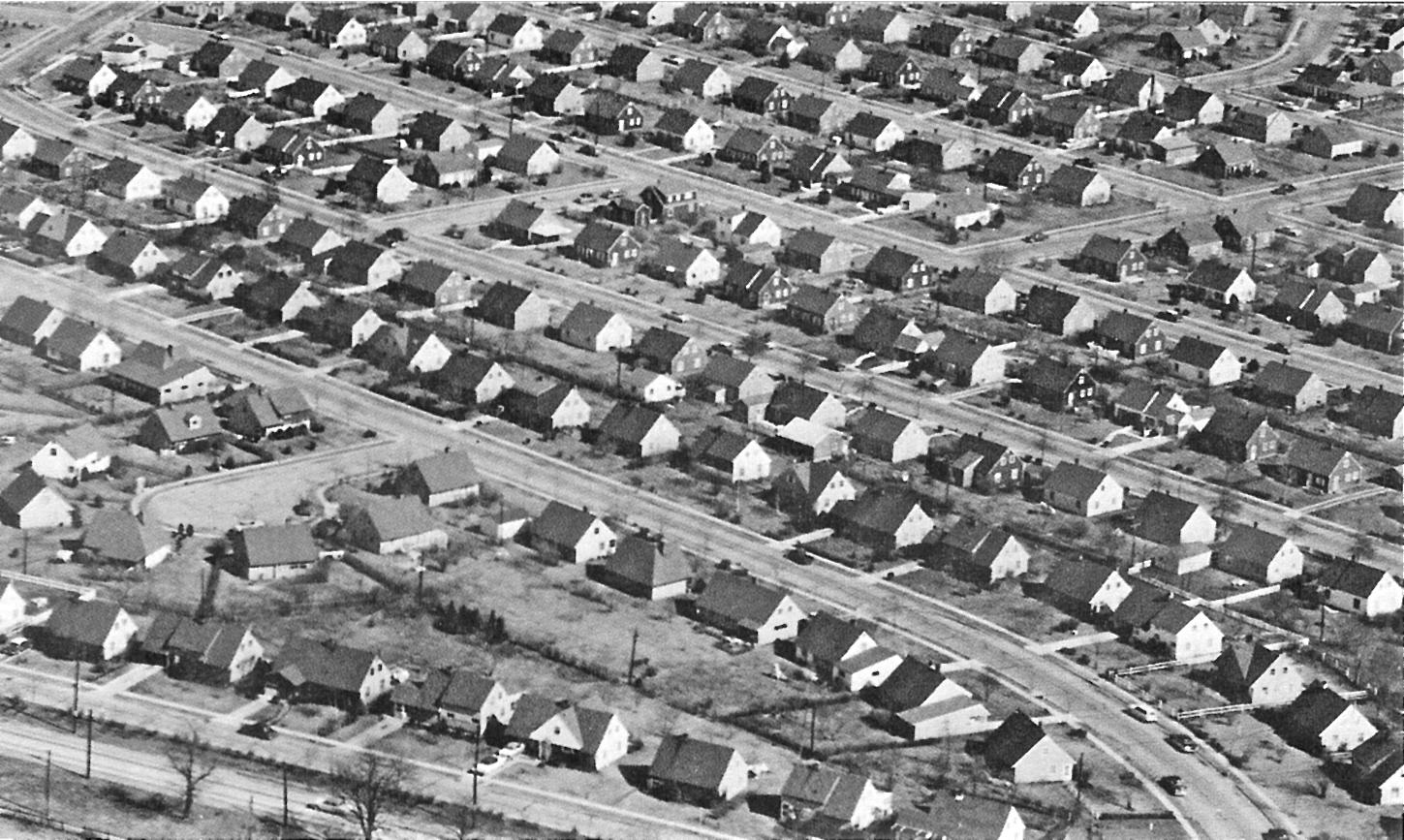
Here, I experiment with the ideas behind my first attempts at this project by creating a draft of elements based around the ideas of realism and artistic values of Herbert Leupin. I thought to myself that, following a combination of viewings and attendances, that the idea of completely functional residences like American suburbs and other similar architectural designs was interesting, and the soullessness of that idea rubbed off on me. You just don't design a city, because it would look strangely artificial or scary in the eyes of the beholder. A lot cities I see my classmates work on seem that way, with no focus on narrative at all. So to resolve that problem I could think of it this way; following the thinking in The definitive Guide to Screenwriting (Syd Field), that a screenplay should be based around the main character and what he does exclusively, and all other concerns are secondary to that. A world would be designed around a characters ideals, so what if I looked at Herbert Leupina's ideals, so I could translate them into a realistic city?
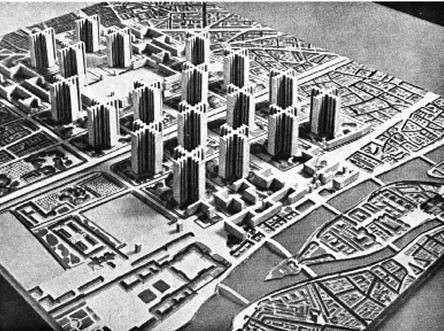 |
| 'Ville Radieuse' Le Corbusier (1924) |
That idea in turn could develop more questions, such as how the artist themselves approach this kind of architectural work or concerns? Would the city as a result of the artists own thinking be accommodating? Or it could be completely average in the eyes of the creator, a representation of their own home town or wherever they felt most comfortable in their lives. That sort of stuff is best left to the analysis of the artist themselves.
No comments:
Post a Comment